Who Ann Margeret Is
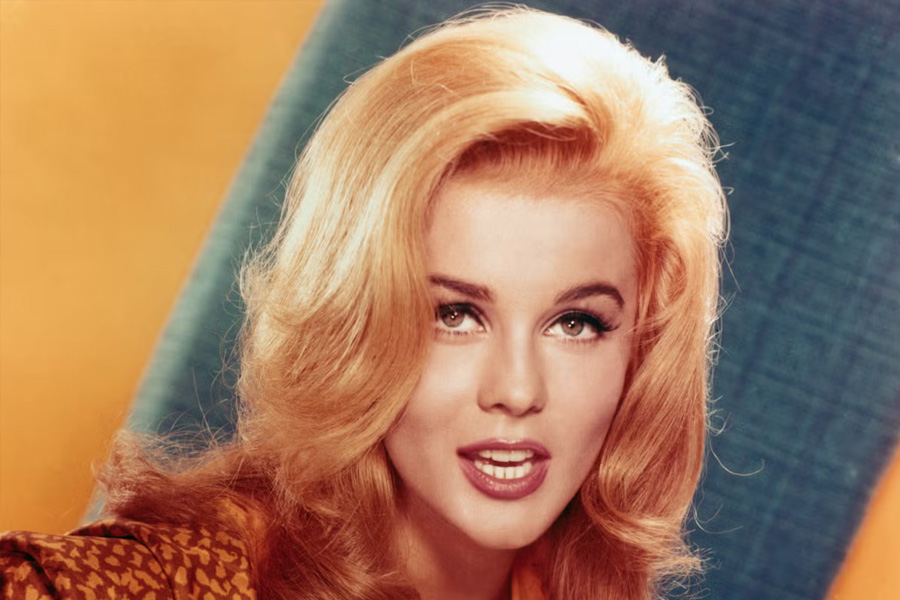
I imagine Ann Margeret as a dancer, musician, and light artist. From humble beginnings, Ann-Margret became one of the most compelling entertainers of her period. She was born Ann-Margret Olsson in Välje, Sweden, on April 28, 1941, and her life seems like an immigrant fantasy. She became famous in the US due to her talent, discipline, and charisma, starting in Europe despite wartime uncertainty.
Not merely her fame attracts me to Ann Margeret. Range is it. Sparkling singing, powerful dancing, and startling emotional depth were her strengths. Many stars face one way. Her prism-like movement caught varied light throughout 60 years. She was youthfully energetic on screen in the 1960s. By the 1970s, she proved glamour wasn’t enough. She could play dramas, take risks, and evolve.
Her career spans film, television, music, and live performance. Few entertainers have crossed so many lanes without losing their identity. She did not simply survive changing eras. She adapted to them, often with the confidence of someone stepping onto a moving train without breaking stride.
Early Life and the Journey From Sweden
World war and upheaval surrounded Ann Margeret’s 1941 birth. Her hometown, Välje, Sweden, provided her roots in a restrained and resilient nation. Her future would be anything from peaceful. Her family moved to the US in the late 1940s following the war, transforming their lives. Migration influenced everything afterward.
That element of her biography is crucial because it emphasizes family from the start. Before the spotlight, there was change and optimism. Her family, like many immigrant families, believed crossing an ocean would expand their lives.
As a child and teenager, she developed a love for performance early. Singing and dancing were not side interests. They became the language through which she introduced herself to the world. By the late 1950s and early 1960s, that early passion had begun to harden into professional ambition.
Her Parents and the Family Foundation
In Ann Margeret’s story, family isn’t decorative. It’s scaffolding. After her father Gustav Olsson worked in Sweden, the family emigrated. Many of her portraits show him as the household’s practical backbone. Anna Aronsson Olsson, her mother, helped the family adjust to a new nation and future.
In widely documented variations of her biography, their names are often rendered as Gustaf Olsson and Anna Aronsson. Even with slight differences in spelling, the picture remains clear to me. These were the people who gave her first stability, first identity, and first example of endurance.
I suppose Ann Margeret’s move and adaptation home matters. A child with that upbringing learns how to enter unknown rooms, adjust fast, and keep moving when the ground moves. She later showed those traits in public. The doubtful suffer in Hollywood. Bending without breaking is rewarded.
Breakthrough in the 1960s
The early 1960s transformed everything. Ann Margeret debuted throughout a decade of color, young culture, new music, and cinematic innovation. Bye Bye Birdie exposed her to a huge audience in 1963. She was hard to ignore. Her screen presence appeared to soar past the frame.
She appeared beside Elvis Presley in 1964’s Viva Las Vegas. That combo is still a 1960s pop culture highlight. It seemed lively, immediate, and unfakeable, therefore their chemistry has been analyzed for decades. Ann Margeret was the heart of a picture full of speed, loudness, and spectacle.
To me, this was the period when she became more than a rising talent. She became an emblem of an era. She had glamour, but it was never static. It had heat. She moved through musical cinema like a spark across dry grass.
Career Growth Beyond the Musical Image
One of the most impressive parts of her story is how she escaped being trapped by her early image. Many stars who break through in musical or youth-oriented roles struggle to be taken seriously later. Ann Margeret did not disappear into her own legend. She expanded it.
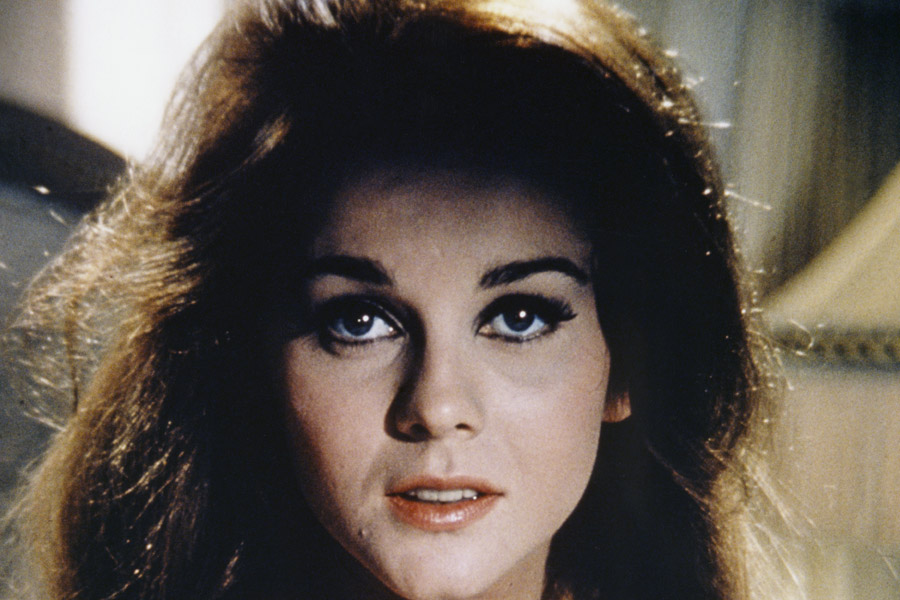
Carnal Knowledge showed audiences and critics she could write psychologically sharper material in 1971. Her performance was lauded and rebranded her as a serious actress. That change helped her career last. Her star power was more than decorative. She controlled emotions.
In 1975, she appeared in Tommy, delivering a performance that brought her another major wave of recognition and an Academy Award nomination. Her work in that film was bold, theatrical, and unafraid. She knew how to inhabit excess without losing emotional truth.
Later, she found renewed mainstream success in Grumpy Old Men in 1993 and its sequel. That phase of her career revealed another strength: longevity with personality intact. She could return to the screen years later and still feel unmistakably like herself.
Music, Television, and Stage Presence
Ann Margeret was never only a film actress. Her music career gave another dimension to her public identity. In the 1960s, she released albums and built a reputation for energetic live performance. Her voice and style carried a rock and pop sensibility that matched the changing mood of the decade.
Her route also included television. She was prominent across generations through variety, guest, and award-winning roles. Television typically bridges eras, so that counts. This lets stars reappear. That bridge served Ann Margeret well.
If film gave her myth, television gave her continuity. Music gave her pulse.
Roger Smith and a Long Marriage
For all her fame, her marriage to Roger Smith was one of her most important partnerships. They married in 1967 and lived together till his 2017 death. Fifty years is a long time. Due of its uniqueness, Hollywood feels cathedral-like.
Not only was Roger Smith her spouse. He managed her after health issues hampered his acting career. That upheaval affected their relationship, but it also strengthened it. He guided and stabilized her career amid volatile and punishing industry years.
I see their marriage as one of the anchors of her story. It adds texture to the usual image of celebrity. Instead of a string of public dramas, there was steadiness. Instead of constant spectacle, there was endurance. Their bond suggests loyalty, shared labor, and mutual protection.
Ann Margeret has close relationships with stepchildren but no biological children from her marriage to Roger Smith. That element of her family life was private, fitting her personal existence. She guarded rooms in her lifelong home despite her fame.
Important Family and Career Snapshot
| Category | Detail |
|---|---|
| Birth name | Ann-Margret Olsson |
| Birth date | April 28, 1941 |
| Birthplace | Välje, Sweden |
| Father | Gustav Olsson |
| Mother | Anna Aronsson Olsson |
| Spouse | Roger Smith |
| Marriage year | 1967 |
| Widowed | 2017 |
| Breakthrough film | Bye Bye Birdie (1963) |
| Iconic co-star | Elvis Presley |
| Major dramatic milestone | Carnal Knowledge (1971) |
| Oscar recognized role | Tommy (1975) |
Public Image, Private Strength
How Ann Margeret balanced seclusion and public is astounding. She was beautiful and admired, yet she avoided the spotlight. Restraint gave her image a new durability. She glowed steadier than many stars, which crumbled upon exposure.
Even in senior years, she was remembered for her fitness, flair, and vitality. Fans honor her on birthdays, in classic cinema debates, and in 1960s and 1970s memorials. She is one of the few figures whose image transcends generations.
What fascinates me is that her legacy is built on more than nostalgia. She represents a bridge between old Hollywood polish and modern performative intensity. She could be playful, seductive, funny, dramatic, and forceful, sometimes in a single role.
Awards, Recognition, and Financial Success
Across her long career, Ann Margeret earned major recognition in multiple formats. She received Golden Globe wins, Academy Award nominations, and Emmy recognition. She also earned a place on the Hollywood Walk of Fame, reflecting her impact in entertainment.
Most estimates put her net worth between $20 million and $25 million. This includes decades of music, television, live performance, royalties, and residual profits, not simply acting salary. In practice, her wealth matches her talent. She developed a career with several doors, so income came from many rooms.
Later Years and Cultural Relevance
After 2017, following Roger Smith’s death, Ann Margeret became even more secluded. Yet privacy is not disappearing. She remains present in cultural memory and classic entertainment circles. Film retrospectives still explore Viva Las Vegas and Tommy. Fans post restored clips, photos, and tributes. Her image is powerful.
To me, she belongs to that select group of living icons who seem to stand slightly outside time. Not untouched by it, but not diminished by it either. Her story stretches from 1941 into the present, and each decade adds another layer rather than erasing the last.
FAQ
Who were Ann Margeret’s parents?
Ann Margeret’s parents were Gustav Olsson and Anna Aronsson Olsson. They were central figures in her early life and in the family’s move from Sweden to the United States. Their support formed the base from which her future career could grow.
Was Ann Margeret married?
Yes, Ann Margeret was married to Roger Smith. They married in 1967 and remained together until his death in 2017. Their marriage lasted 50 years and became one of the most enduring partnerships associated with classic Hollywood.
Did Ann Margeret have children?
Ann-Margret did not have biological children. Through her marriage to Roger Smith, however, she had close relationships with stepchildren and maintained family ties in that way.
What made Ann Margeret famous?
She gained popular for her charismatic acting, singing, and dancing. Bye Bye Birdie (1963) and Viva Las Vegas (1964) made her famous. Later, dramatic roles like Carnal Knowledge and Tommy boosted her fame.
What was her relationship with Elvis Presley?
Ann Margeret and Elvis Presley were co-stars in Viva Las Vegas. Their professional chemistry became legendary, and they remain one of the most memorable on-screen pairings of the 1960s. Their connection has long been discussed in popular culture because it felt especially vivid and natural.
Is Ann Margeret still relevant today?
Yes, very much so. Ann Margeret continues to be celebrated through film retrospectives, classic Hollywood tributes, birthday honors, and fan communities online. Her career remains a touchstone for discussions about musical cinema, screen presence, and female star power across changing eras.